
Is It Worth Replacing – Double Glazing Vs Triple Glazing?
If you’re contemplating whether to upgrade from double to triple glazing, the short answer is: it depends on your specific circumstances, property type, and long-term objectives. While triple glazing offers approximately 50% better thermal performance than double glazing, the financial and practical implications require careful consideration.
As a homeowner with double glazing that’s perhaps showing its age, you’re likely wondering whether the investment in triple glazing will genuinely deliver the promised benefits. Let me walk you through the complete picture, including some alternatives you might not have considered.
Understanding the Performance Gap Between Double and Triple Glazing
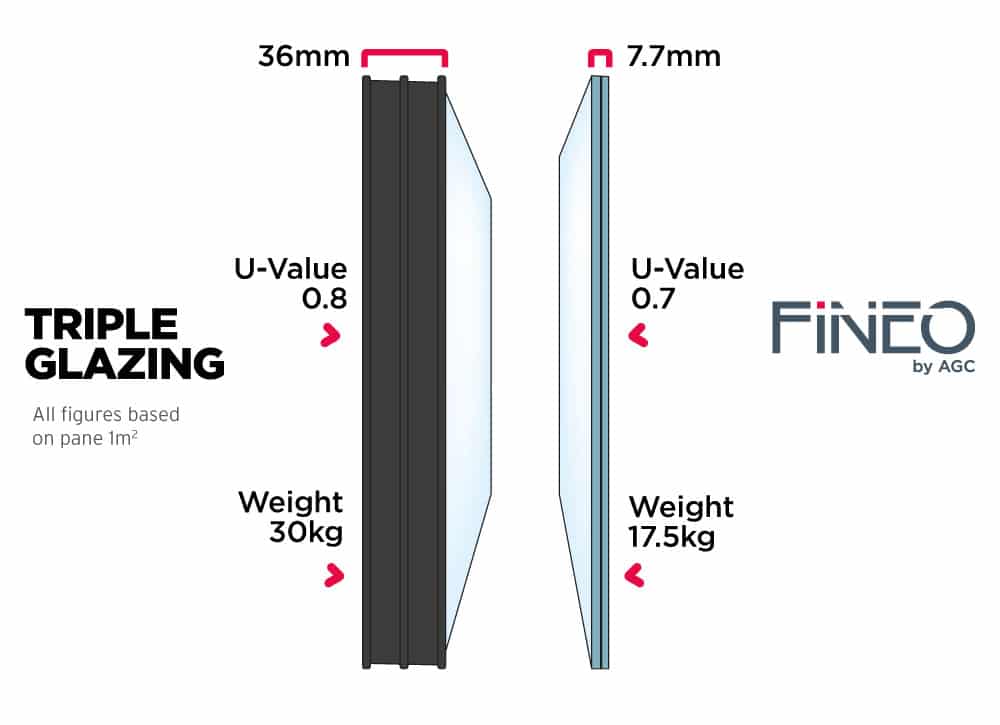
The fundamental difference between double and triple glazing lies in their construction and resulting thermal performance. Double glazing consists of two panes of glass with a single gas-filled cavity, typically achieving U-values around 1.6 W/m²K. Triple glazing adds a third pane and second cavity, reducing U-values to approximately 0.8 W/m²K.
What does this mean in practical terms? A lower U-value indicates better insulation – heat escapes more slowly through your windows. To put this in perspective, Irish homes lose between 10% and 40% of their heat through windows and doors. With our homes losing heat three times faster than their European counterparts, this performance difference becomes particularly significant.
However, here’s what many articles won’t tell you: the cavity size between panes matters enormously. Some manufacturers squeeze three panes into barely more space than traditional double glazing uses. As Denis Hussein notes from his extensive experience, “Triple glazing is only worth it if the spacing is ≥ 16mm between sheets of glass.” Without adequate spacing, you’re essentially paying premium prices for marginal improvements.
Insert image of cross-section comparison between double and triple glazing units here
Installation Challenges Most Articles Won’t Discuss
Here’s something crucial that’s often glossed over: triple glazing units are up to 50% heavier than double glazing. This isn’t just a minor detail – it’s a game-changer for installation complexity and cost.
Denis Hussein’s experience reveals the reality: “This increased bulk necessitates deeper window frame profiles to accommodate the thicker glass units. Consequently, for properties with older or non-standard frames, this almost invariably leads to the complete replacement of existing frames.”
What does this mean for you? If your home has original timber frames or you live in a conservation area, you’re not just replacing glass – you’re potentially facing:
- Complete frame replacement rather than simple glazing unit substitution
- Structural reinforcement to support the additional weight
- Deeper reveals that reduce natural light and alter your property’s character
- Potential loss of interior space due to thicker frames
- Extended installation timeframes (up to three days versus a few hours)
For heritage properties, these modifications might not even be permitted. Listed buildings and conservation areas often have strict regulations about maintaining original window profiles and aesthetics.
Regional Climate Considerations: Does Location Matter?
Your location within Ireland significantly impacts whether triple glazing makes financial sense. Properties on the west and north coast, where heating demands are substantially higher, will see more immediate benefits from superior insulation.
In colder regions, the enhanced thermal performance translates directly into greater energy savings and shorter payback periods. The comfort benefits – elimination of draughts, cold spots, and condensation – become particularly noticeable during harsh winters.
Conversely, if you’re in the milder South, while you’ll still enjoy improved comfort, the financial payback takes considerably longer. However, as Denis Hussein emphasizes, with quality glazing solutions offering lifespans exceeding 60 years, even modest annual savings accumulate substantially over time.
Environmental Impact: The Hidden Carbon Cost
For environmentally conscious homeowners, there’s an uncomfortable truth about triple glazing: manufacturing it produces 40-50% more embodied carbon than double glazing. This stems from the energy-intensive production of noble gases for the cavities and the environmental cost of transporting heavier units.
While operational energy savings eventually offset this initial carbon debt, the payback period extends beyond simple financial calculations. You’re looking at years before the reduced heating emissions compensate for the manufacturing impact.
This raises an important question: are there alternatives that deliver comparable performance without the environmental burden?
The Game-Changing Alternative: Vacuum Glazing Technology
This is where vacuum glazing technology enters the conversation. Products like Fineo achieve U-values of 0.7 W/m²K – actually better than triple glazing – while being only 7.7mm thick.
Why does this matter? Because vacuum glazing can be retrofitted into existing frames, including original timber sashes. No structural modifications, no lost interior space, no compromise on aesthetics. For heritage properties, this represents a revolution in energy efficiency possibilities.
The environmental credentials are equally impressive. Vacuum glazing eliminates the need for gas fills, is 100% recyclable, and with European manufacturing, carries a significantly lower carbon footprint than imported triple glazing units.
Making the Right Decision for Your Property
So, is it worth replacing double glazing with triple glazing? The answer depends on several factors:
Consider triple glazing if:
- You’re building new or completely replacing window frames anyway
- You live in a particularly cold region with high heating demands
- Your existing double glazing pre-dates 2002
- You plan to stay in your property long-term (20+ years)
- Future-proofing against regulations is a priority
Think twice if:
- Your current frames can’t support the additional weight
- You live in a conservation area or listed building
- Your double glazing is relatively modern (post-2010)
- The payback period exceeds your expected time in the property
Consider vacuum glazing if:
- You want triple glazing performance without frame replacement
- Maintaining original window aesthetics is crucial
- Environmental impact is a primary concern
- You need a solution for heritage properties
Technical Considerations for Modern Homes
If you’re running a smart home with advanced heating controls, upgrading to triple glazing creates an interesting dynamic. The significantly improved airtightness means you’ll need to reconsider your ventilation strategy.
As Denis Hussein explains, “While triple glazing offers superior thermal insulation and eliminates drafts, this enhanced sealing means natural air movement is inhibited.” You might need to invest in mechanical ventilation with heat recovery (MVHR) to maintain air quality – an additional cost rarely mentioned in promotional materials.
Your existing heating system may also require recalibration. With substantially reduced heat loss, you might find your current boiler oversized, leading to inefficient cycling. Factor in potential heating system adjustments when budgeting for your upgrade.
The Quality Question: Not All Triple Glazing Is Equal
Here’s a critical point: poorly manufactured triple glazing can actually perform worse than quality double glazing. Recent studies show that thin triple glazing units with inadequate cavity spacing deliver only marginal improvements over double glazing.
When evaluating options, focus on:
- Cavity spacing (minimum 16mm, ideally 20mm)
- Gas fill quality (argon or krypton)
- Low-E coatings on appropriate surfaces
- Frame thermal performance
- Manufacturer warranties and expected lifespan
Remember, the most expensive option isn’t automatically the best. A well-designed double glazing system might outperform budget triple glazing.
FAQ: Your Triple Glazing Questions Answered
Can I simply replace the glass units in my existing double glazed frames with triple glazing?
Unfortunately, no. Triple glazed units require deeper rebates and stronger frames to support their additional weight and thickness. The sealed unit cannot be removed without destroying the frame integrity, necessitating complete window replacement in most cases.
How much quieter is triple glazing compared to double glazing?
Triple glazing typically achieves sound reduction ratings of 32 dB compared to 31 dB for double glazing – a marginal improvement. However, vacuum glazing like Fineo achieves 35 dB reduction, offering superior acoustic performance despite its slimmer profile.
Will triple glazing eliminate condensation completely?
While triple glazing significantly reduces internal condensation due to warmer inner pane temperatures, it cannot eliminate it entirely. High indoor humidity or poor ventilation can still cause moisture buildup. Adequate ventilation remains essential regardless of glazing type.
Do I need planning permission to upgrade to triple glazing?
For most properties, no. However, if you live in a conservation area, own a listed building, or have an Article 4 Direction on your property, you’ll need permission. The thicker frames of triple glazing often alter window proportions enough to require consent.
What happens if the seal fails on triple glazing?
Seal failure in triple glazing is particularly problematic as you have two cavities that can fog up. Unlike double glazing, repair isn’t economically viable – the entire unit requires replacement. Quality manufacturers offer 20-25 year warranties, but ensure you understand what’s covered.
Conclusion: Making an Informed Choice
Replacing double glazing with triple glazing isn’t a simple yes-or-no decision. While triple glazing offers superior thermal performance, the practical and financial implications vary dramatically based on your specific circumstances.
For many Irish homeowners, particularly those in heritage properties or with modern double glazing, the case for triple glazing remains marginal. The combination of high upfront costs, installation complexity, and extended payback periods challenges the value proposition.
However, innovative alternatives like vacuum glazing technology offer a compelling middle ground – delivering comparable or superior performance without the installation headaches or aesthetic compromises.
Before making your decision, get detailed quotes, understand your property’s specific requirements, and consider your long-term plans. And remember, sometimes the best upgrade isn’t the most obvious one. If you’re looking for triple glazing performance in a heritage-friendly package, it might be time to explore vacuum glazing solutions that preserve your property’s character while delivering 21st-century efficiency.


