
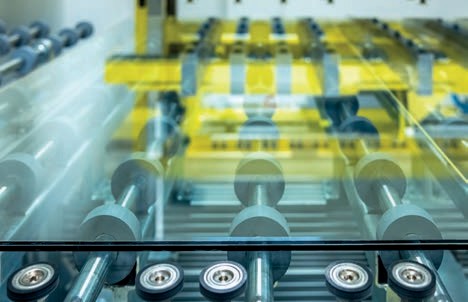
New Manufacturing Line Significantly Boosts Output
AGC Glass Europe has expanded the manufacturing capabilities of its FINEO vacuum insulating glass by introducing a high-capacity production line at its site in Lodelinsart, Belgium. The move dramatically increases the company’s output and strengthens its position in the growing European market for advanced energy-efficient glazing systems.
The upgraded line multiplies production levels well beyond the original demonstration facility that began operating in 2019. With market demand rising rapidly for vacuum insulated glazing, the expansion is expected to shorten customer waiting times and improve supply reliability throughout Europe.
Vacuum Glass Designed for High Efficiency
FINEO vacuum insulating glass is recognised for combining strong thermal performance with a very slim structure. The product uses a microscopic vacuum space between panes rather than relying on thicker multi-layer glass assemblies.
Because the vacuum cavity measures only a fraction of a millimeter, the glazing delivers insulation levels similar to much thicker systems while maintaining a lightweight profile.

Thin Structure with Strong Performance Benefits
Compared with traditional triple-glazed windows, vacuum insulating glass offers several practical advantages:
- Considerably thinner overall construction
- Reduced overall weight
- Improved natural light transmission
- Strong acoustic insulation performance
- Lower material usage during production
- Easier installation in renovation projects
These characteristics make vacuum glazing especially useful in buildings where frame dimensions or structural limitations prevent the use of heavier glazing systems.
The lighter composition also contributes to reduced transport emissions and lower installation impacts, supporting broader environmental goals within the construction industry.
Sustainability Embedded in the Manufacturing Strategy
Environmental efficiency plays a central role in the FINEO development strategy. AGC designed the system to achieve higher thermal performance while using fewer raw materials than conventional insulating glass solutions.
The Belgian production location provides additional sustainability advantages due to its proximity to AGC’s float glass operations and coating facilities. By concentrating manufacturing processes within the same region, the company reduces transportation requirements and associated emissions.
Additional environmental measures connected to the production process include:
- Greater use of recycled glass materials
- Electrified manufacturing operations
- Increased use of renewable energy sources
- Reduced dependence on bulky framing systems
- Fully recyclable glass-based components
FINEO has also received an Environmental Product Declaration, helping verify the product’s environmental performance credentials.
Growing Demand from the Renovation Sector
The product originally gained traction within the restoration and heritage renovation market, where preserving original window frames is often essential. Traditional triple glazing can be too thick or too heavy for older structures, making vacuum glazing a practical alternative.
As energy-efficiency regulations become stricter across Europe, AGC is now targeting a wider range of residential, office, and commercial renovation projects.
The slim appearance of vacuum glazing allows architects and contractors to improve insulation performance without dramatically altering the visual appearance of existing buildings.
Advanced Production Methods Behind the Technology
The latest production facility represents a major evolution from the original pilot setup. Internally, the company views the new generation of manufacturing technology as a significant advancement in vacuum glazing production.
Unlike standard insulating glass fabrication, the process begins with large-format glass sheets prepared inside a cleanroom environment. These sheets are vacuum sealed before being processed into finished pane sizes.
The manufacturing approach minimizes the need for traditional spacer systems and additional assembly materials commonly found in conventional insulating glass units.

Circular Design Supports Recycling Goals
One of the key differences between vacuum glazing and traditional insulated glass systems is the product’s material composition.
Because the structure relies primarily on glass and ceramic materials, the product can be more easily recycled at the end of its lifecycle. Conventional insulated glazing often combines multiple bonded materials that complicate recycling processes.
AGC believes this circular design approach could help reshape long-term sustainability standards within the glazing and construction industries.
Expansion Opens the Door to New Product Variants
The increased manufacturing capacity also enables AGC to broaden the range of FINEO glazing solutions available to the market.
Future developments may include:
- Vacuum glazing with enhanced thermal performance
- Larger glass dimensions for modern architecture
- Toughened vacuum glass systems
- Solutions tailored for contemporary new-build projects
- Specialized configurations for restoration work
This expanded product offering allows the company to serve a broader range of applications, from historical preservation projects to high-efficiency commercial construction.

Vacuum Glazing Positioned for Long-Term Growth
AGC Glass Europe sees vacuum insulating glass as a major advancement in modern glazing technology rather than a niche product category.
With increasing demand for sustainable building materials, thinner high-performance glazing systems are expected to play a growing role in Europe’s renovation and decarbonization efforts.
By combining thermal efficiency, reduced material usage, lightweight construction, and recyclability, FINEO represents a significant shift in how advanced glazing solutions are being developed for future buildings.


